.png)
How to Offer White Glove Furniture Delivery Without Owning a Single Truck


Your customers expect their $3,000 sofa to arrive with the same care it received in your showroom. But does that mean you need to buy trucks, hire drivers, and manage a delivery fleet? Absolutely not.
The True Cost of Running Your Own Delivery Fleet
Many furniture retailers underestimate what in-house delivery really costs. Beyond the obvious expenses — trucks, fuel, insurance — lie hidden financial drains that can cripple margins.
Consider the full picture: A single delivery truck costs $60,000-$80,000. Commercial insurance runs $8,000-$12,000 annually per vehicle. Then add driver salaries ($45,000-$65,000), workers' compensation, training programs, and DOT compliance. One damaged high-end dining set could trigger a liability claim worth months of profit.
But here's what really hurts: utilization rates. Your trucks sit idle during slow periods, yet fixed costs continue. Seasonal spikes force you to turn away sales or disappoint customers with extended delivery windows. Meanwhile, your competitors partner with logistics specialists and focus on what they do best — selling furniture.
What "White Glove" Actually Means in 2025
Today's white glove delivery goes far beyond bringing furniture inside. Customers expect room-of-choice placement, complete assembly, and immediate packaging removal. They want delivery teams who protect their floors, navigate tight corners without wall damage, and understand how to handle everything from delicate glass tables to complex modular systems.
The market has spoken: The global white glove service industry is expected to reach $4 billion by the end of 2028. This isn't just about meeting expectations anymore — it's about differentiation. When online giants offer free delivery, your white glove service becomes your competitive edge.
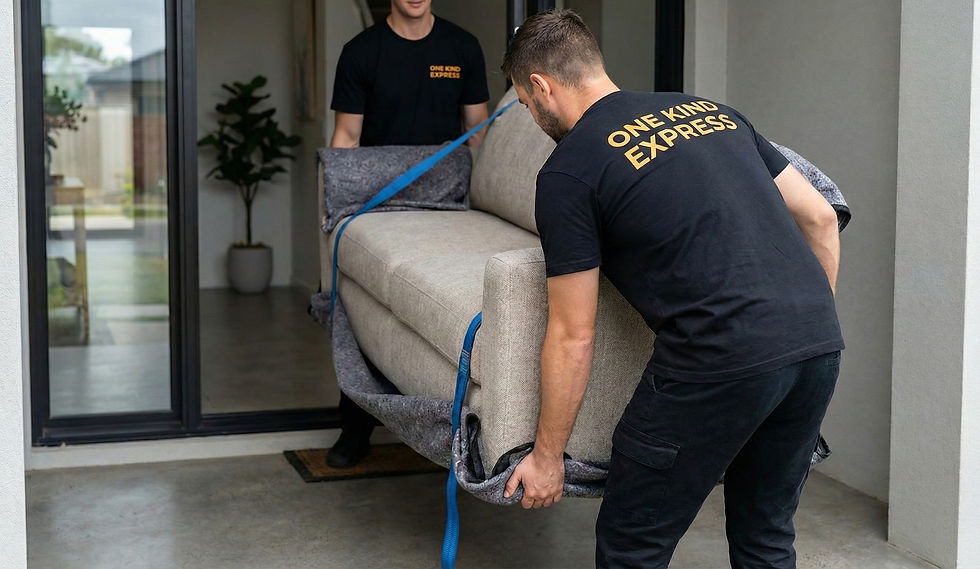
Professional teams know the difference between positioning a sectional for optimal room flow versus simply placing it against a wall. They carry furniture blankets, floor runners, and specialized tools. They photograph completed installations for quality assurance. This level of service transforms delivery from a transaction into an experience that reinforces your brand promise.
The Partnership Model That's Reshaping Furniture Retail
Smart retailers are discovering they don't need to own the trucks to own the customer experience. By partnering with specialized furniture logistics providers, they're achieving better service levels than they could ever manage in-house.
90% of Fortune 500 companies already leverage third-party logistics providers for their supply chain needs, and furniture retailers are following suit. These partnerships provide instant access to trained crews, specialized equipment, and established delivery networks — without the capital investment or operational headaches.
Alberta-based teams, for instance, understand local delivery challenges from Calgary's suburban sprawl to Edmonton's river valley geography. Companies like One Kind Express have spent years perfecting furniture-specific processes, from blanket-wrapping techniques to multi-story delivery strategies. Their teams become an extension of your brand, wearing your branded apparel if desired and following your specific delivery protocols.
Turning Returns Into Opportunities
Here's where the partnership model truly shines: reverse logistics. Returns happen — wrong color, doesn't fit, buyer's remorse. With in-house delivery, returns become pure cost centers. But sophisticated logistics partners have systems to inspect, photograph, and either return items to inventory or route them for refurbishment.
Some providers even offer redistribution services, helping you resell returned items through alternative channels. A slightly scratched coffee table that can't return to your showroom floor might find new life through a partner's discount furniture network, recovering value instead of writing off the entire piece.
Making the Numbers Work
Outsourcing to a third-party logistics provider means being able to disperse cost increases across that partner's large pool of clients, rather than absorbing them entirely yourself. When fuel prices spike or insurance rates climb, your delivery costs remain predictable.
The economics become even more compelling at scale. While you might struggle to justify a truck for 20 weekly deliveries, logistics partners achieve efficiency by combining multiple retailers' deliveries. They can offer services like Saturday delivery or tighter delivery windows that would be cost-prohibitive with your own fleet.
The Decision That Defines Modern Retail
The question isn't whether to offer white glove delivery — customers demand it. The question is whether you'll try to excel at both furniture retail and logistics operations, or partner with specialists who've already mastered the delivery side.
Leading furniture retailers are choosing focus over control. They're investing in showroom experiences, product curation, and customer relationships while leaving the complexities of last-mile delivery to partners who do nothing else.
Your brand deserves a delivery experience that matches your showroom quality. In today's market, achieving that doesn't require owning trucks — it requires choosing the right partners who understand that every delivery represents your reputation.